
Practical & Spiritual Preparation for Your Future
Every college student has those “am I doing the right thing?” and “what should I do next?” moments. So don’t worry — you’re not alone.
From finding a major to sending your resume out to the world, Belhaven’s Center for Career & Calling team guides you through all that anxiety about your future. Our intentional and proven strategies show you how to focus your talents on what’s really important — so when you graduate, you’re ready to follow your calling.
You can find us on the main floor (2nd) of the Irby Hall Complex. Stop by for a quick check-in or schedule an appointment online. We’re looking forward to meeting you!

Explore Your Options
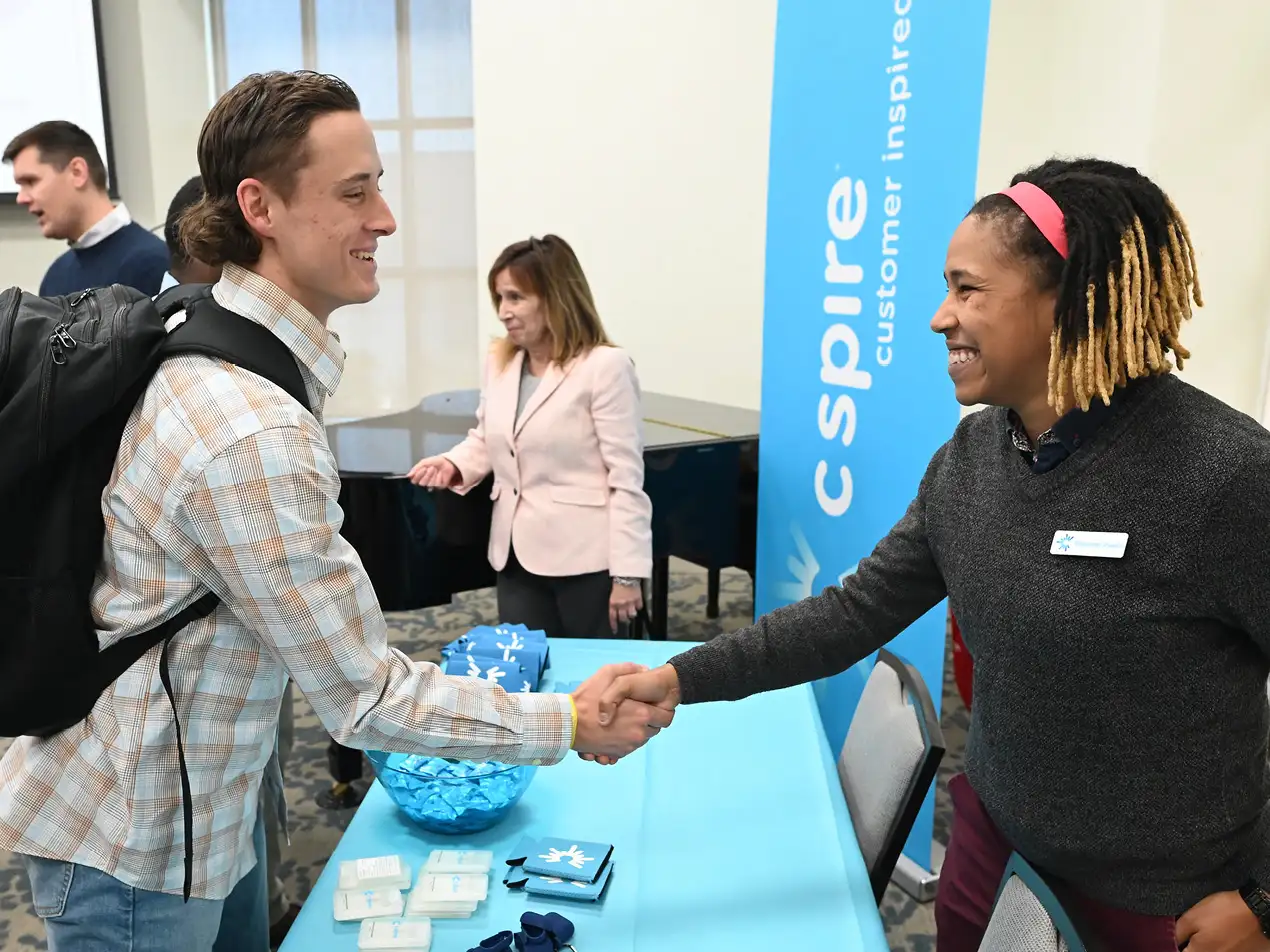
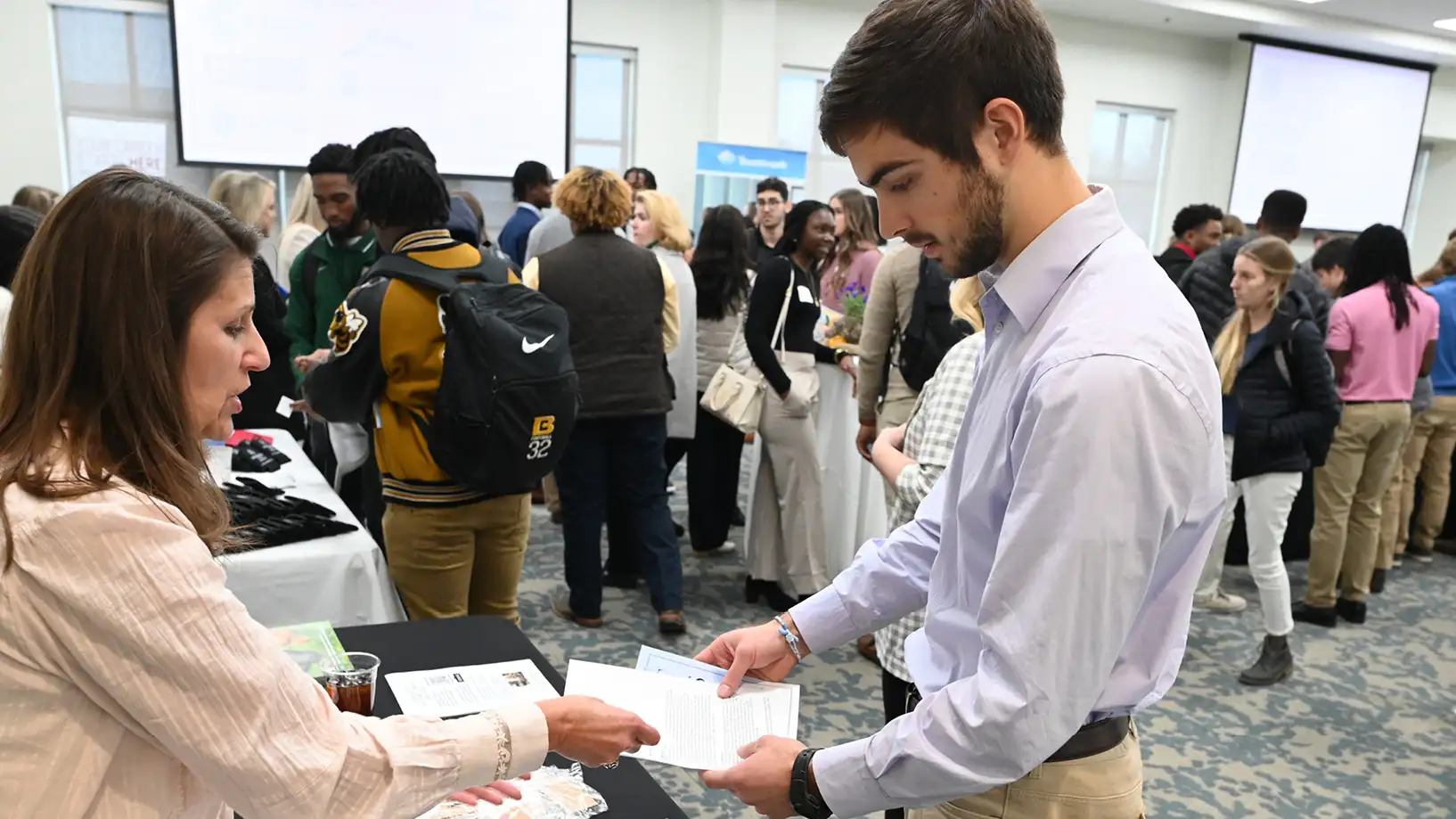
Whether you’re a residential undergraduate or online student living in the U.S., events like career fairs are a great way to meet professors, network with classmates, and practice sharing about yourself in a professional setting.
We’ve also assembled a handy list of trusted sites for resume services, interview practice, professional associations, and more.
Connect with Employers
Through our Blazer Career Portal platform, you have easy access to job and internship postings from local, regional, and national employers.
Get Involved
Opportunities for Employers & Graduate Schools
Entry-level employment. Summer staffing. Mid-level positions and executive positions. Graduate and professional programs. Recruiting never ends, so you need the best exposure for your business, industry, or professional training program.
Working with Belhaven University’s Career & Calling team, you can reach our best and brightest students through our annual career fair, mock interview workshops, job shadowing, speaking engagements, and more.
Insightful Resume Recommendations
“The resume workshop that the Center for Career and Calling held was insightful on how to start my resume/curriculum vitae, but also helped proofread and polish my resume. The Center for Career and Calling has been an incredibly useful tool as I am making the transition from an undergraduate to a professional.”
– Jakob Anderson
Career Center Opportunities
“The Center for Career and Calling is an excellent resource for Belhaven students; they put together wonderful opportunities for us to experience, learn, and grow as we prepare for jobs and careers. The Center for Career and Calling has helped me hone my résumé building skills and to practice interviewing and networking.”
–Katherine Andrews
Meet the Career & Calling Team
Contact Us
Center for Career & Calling
Phone: 601-973-5155Irby Hall 208
1500 Peachtree Street, Box 265
Jackson, MS 39202

Verse of the Year
Go and make disciples of all the nations ... And be sure of this: I am with you always, even to the end of the age.
Matthew 28:19-20