

Where have we been? Where are we going? How do we make sense of where we are right now?
Exploring Ourselves and the World Around Us
Founded on centuries of classical and Christian scholarship, Belhaven University’s Division of Humanities builds bridges that link our past to our future.
Our humanities majors and minors cover the breadth of human learning and how we apply that knowledge.
A Questing Freedom
At Belhaven, you find the intellectual freedom, open heart, and Christian foundation to probe the meaning and complexity of our universal experience.
So go ahead, ask the big questions. These inquiries become our shared quests. Together, we sharpen our critical skills (iron on iron) and shape answers that lead to even bigger and better quests.


Key Areas of Study
Studying the humanities is central to all our degree program
13:1 Student/Faculty Ratio
Small class sizes mean close-knit learning communities
100s Careers
Build your strengths for teaching, research, ministry, and more

Celebrate Culture and Community During Global Focus Week
Global Focus Week: January 26-30, 2026. Throughout the week, students enjoy international cuisine, explore global perspectives with guest speakers, and participate in unique events like dance classes, a global ministry fair, a virtual trek around the world and more! This is a great opportunity for our students to experience the world right here on campus.
Humanities News

The Belhaven Advantage
Fuel your academic passions and expand your career options. Belhaven offers our freshmen a unique deal: double major, and we’ll pay the tuition if you need a fifth year in school. Double major in two arts programs, pair a business degree with a STEM major … the possibilities are endless!
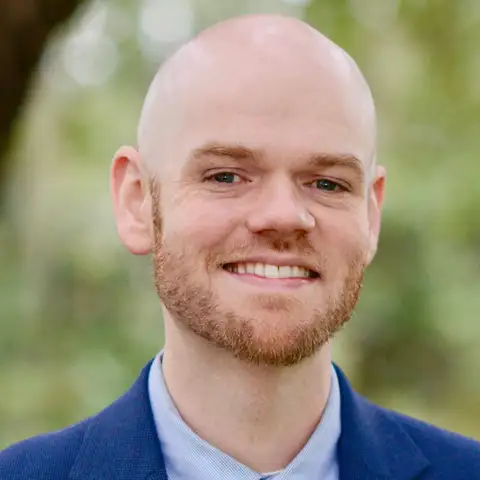
Quote from faculty member
"A solid grounding in the Humanities disciplines imparts to our students the knowledge-base to understand the human condition and thus our world. It provides the appraisal, judgment, and critical thinking skills to engage with others. As such, a degree in the humanities not only bestows a substantial foundation in itself, but also the flexibility to pursue careers in virtually any field."

Why Trust Belhaven With Your Future?
Our quality is recognized by SACSCOC, which grants our institutional accreditation and authority to award associate, bachelor’s, master’s, educational specialist, and doctoral-level degrees. Plus, we’re consistently recognized by organizations like U.S. News & World Report for our academic excellence, commitment to community service, expert faculty, and overall value.

Contact Us
Dean of Humanities and Ministry Services — Dr. Seth Parry
Phone: 601-968-5982Preston 309
1500 Peachtree Street
Jackson, MS 39202
Verse of the Year
Go and make disciples of all the nations ... And be sure of this: I am with you always, even to the end of the age.
Matthew 28:19-20